
Sauce
Ancho Beef Jus Reduction
A competition-style beef jus reduction with ancho chile, roasted aromatics, tomato paste and a glossy butter finish, developed to complement ribeye and other richly flavored beef cuts.
- Prep
- 10 minutes
- Cook
- 45 minutes
- Total
- 55 minutes
- Yield
- About 1 1/2 to 2 cups
- Difficulty
- Moderate
Ingredients
Ancho Beef Jus Reduction
- 1 tablespoon beef tallow (Or another neutral high-heat cooking fat)
- 1 small shallot (Finely minced)
- 2 cloves garlic (Finely minced)
- 1 tablespoon ancho chile powder (Pure ground ancho chile, not a salted chili seasoning blend)
- 1 teaspoon smoked paprika (Preferably sweet smoked paprika)
- 1 tablespoon tomato paste
- 4 cups high-quality beef stock (Preferably unsalted or low-sodium)
- 1 tablespoon Worcestershire sauce
- 1 teaspoon light brown sugar (Packed)
- 1 teaspoon honey
- 2 tablespoons unsalted butter (Cold and cut into small cubes)
- 1 teaspoon fresh lime juice (Plus more to taste if needed)
- kosher salt (To taste after reduction)
- freshly ground black pepper (To taste)
Optional Depth Builders
- 4 to 8 ounces beef trimmings (Small pieces suitable for browning)
- steak resting juices or reserved brisket au jus (Add to taste before final seasoning)
- roasted mushroom stems (Optional; use a small handful to deepen the savory flavor)
Instructions
Build the Savory Base
Heat the beef tallow in a heavy-bottomed saucepan over medium-high heat. If using beef trimmings, add them and brown deeply on all sides, allowing a dark fond to develop on the bottom of the pan. Remove and discard the browned trimmings after they have released their flavor.
Reduce the heat to medium. Add the minced shallot and cook for 2 minutes, stirring frequently, until softened. Add the garlic and cook for another 30–45 seconds without allowing it to burn.
Add the ancho chile powder, smoked paprika and tomato paste. Cook for approximately 1 minute, stirring constantly, until the tomato paste darkens slightly and the spices become fragrant.
Reduce the Jus
Slowly add approximately 1 cup of the beef stock while scraping the bottom of the pan to release the browned fond. Add the remaining stock, Worcestershire sauce, brown sugar, honey and the mushroom stems, if using.
Bring the mixture to a gentle boil, then reduce the heat to maintain a steady uncovered simmer. Cook for 30–45 minutes, stirring occasionally, until reduced to approximately 1 1/2 to 2 cups. Skim away any foam or excess fat that rises to the surface.
Pour the reduction through a fine-mesh strainer into a clean saucepan or heatproof bowl, pressing lightly on the solids to extract the liquid without forcing pulp through the strainer. Discard the solids.
Finish and Serve
If using steak resting juices or reserved brisket au jus, stir them into the strained reduction and return it briefly to a gentle simmer. Taste before adding any salt because the concentrated stock and meat juices may already provide enough seasoning.
Remove the sauce from the heat. Whisk in the cold butter a few cubes at a time until the sauce becomes glossy and lightly thickened. Whisk in the fresh lime juice.
Season carefully with kosher salt, black pepper and, if needed, a few additional drops of lime juice. The finished sauce should be beef-forward and savory, with warm ancho depth, restrained sweetness and enough acidity to keep it from tasting heavy.
Hold the sauce warm over very low heat and do not boil after adding the butter. Use it sparingly: spoon a narrow pool beneath sliced beef, brush a small amount over the meat or place controlled dots around the plate.
Notes
This is the competition demi-glace-style ancho beef reduction developed for the WFC silver-platter entry. It was designed to accompany ribeye with crispy Yukon Gold potato croquette, smoked Gouda and roasted poblano, charred corn-poblano purée, quick-pickled red onions and caramelized baby bella mushrooms.
The reduction should remain firmly beef-forward. The ancho is there to provide deep dried-chile warmth and fruitiness, not to make the sauce taste like chili. The brown sugar and honey round the edges of the chile and tomato but should not make the sauce noticeably sweet.
Use unsalted or low-sodium beef stock whenever possible. Reducing four cups of fully salted commercial stock can make the finished sauce unpleasantly salty before it reaches the proper consistency.
For competition plating, the sauce should be glossy and fluid enough to form a controlled pool or clean spoon stroke. It should lightly coat the back of a spoon but should not be as thick as gravy.
Substitutions
Rendered brisket fat may replace the beef tallow. A neutral high-heat oil may be used, but it will contribute less beef flavor.
One teaspoon minced canned chipotle in adobo may replace the smoked paprika for a smokier, hotter variation. Reduce the ancho chile powder slightly if using chipotle.
Dark brown sugar may replace light brown sugar, but it will add a stronger molasses flavor. Maple syrup may replace the honey in equal measure.
Fresh lemon juice may replace the lime juice, although lime better complements the ancho chile.
A rich homemade mushroom stock may replace up to one cup of the beef stock to intensify the savory character without adding more meat.
Variations
Bourbon Ancho Beef Reduction:
Deglaze the aromatics with 1/4 cup bourbon and reduce it nearly dry before adding the beef stock. Omit the honey if the bourbon contributes sufficient sweetness.
Mushroom Ancho Jus:
Brown 8 ounces sliced cremini mushrooms in the tallow before adding the shallot. Reserve half for serving and strain the remainder with the sauce.
Coffee-Ancho Beef Reduction:
Add 1 teaspoon finely ground espresso or 2 tablespoons strongly brewed coffee with the stock for a darker, more bitter competition profile. Use cautiously so the coffee does not obscure the beef.
Spicier Ancho Reduction:
Add 1/8 teaspoon cayenne or 1 teaspoon minced chipotle in adobo with the tomato paste.
Storage
For make-ahead preparation, complete the recipe through straining but do not add the butter or lime juice. Cool the base promptly in a shallow container and refrigerate for up to three days.
The fully finished sauce may also be refrigerated for up to three days, although its butter emulsion may need to be restored during reheating. Freeze the unbuttered reduction base for up to three months in an airtight container.
Reheating
Reheat the unbuttered reduction gently in a small saucepan until simmering. Adjust the concentration with beef stock if necessary, then remove it from the heat and whisk in cold butter and lime juice immediately before serving.
For an already finished sauce, warm it over low heat while whisking frequently. Do not boil. If it appears separated, remove it from the heat and whisk in 1 tablespoon of warm beef stock followed by a small cube of cold butter.
Troubleshooting
The sauce is too thin:
Continue simmering before adding the finishing butter. Reduction, rather than flour or cornstarch, should provide the body.
The sauce is too thick:
Whisk in warm unsalted beef stock 1 tablespoon at a time until it flows cleanly from a spoon.
The sauce is too salty:
The stock or added meat juices were too salty before reduction. Dilute with unsalted stock and reduce only as much as necessary. Do not add salt until the end.
The ancho tastes bitter:
The chile powder or paprika may have scorched. Bloom the spices for only about 1 minute and add the stock immediately if they begin to darken rapidly.
The sauce is too sweet:
Add a small amount of lime juice and unsalted beef stock. The sugar and honey should soften the sauce, not dominate it.
The sauce looks greasy or separated:
It was boiled after adding the butter. Remove it from the heat and whisk in a tablespoon of warm stock, then add one small cube of cold butter.
The beef flavor is weak:
Use a richer stock, brown beef trimmings before adding the aromatics or incorporate unsalted steak resting juices before final seasoning.
You might also enjoy
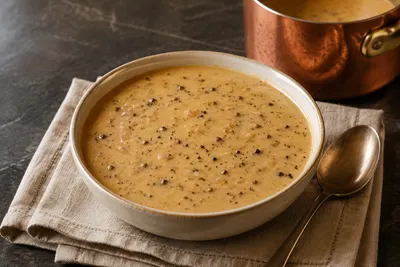
Sauce
Cognac Peppercorn Cream Sauce
A luxurious French-style steak sauce with cracked peppercorns, Cognac, reduced beef stock and cream, finished with Dijon mustard and cold butter for a silky restaurant-quality texture.
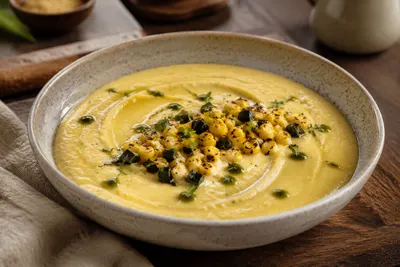
Sauce
Charred Corn and Poblano Purée
A silky Southwestern purée sauce made with deeply charred sweet corn, roasted poblano, shallot, cream, ancho chile and fresh lime, developed to accompany fire-kissed ribeye.
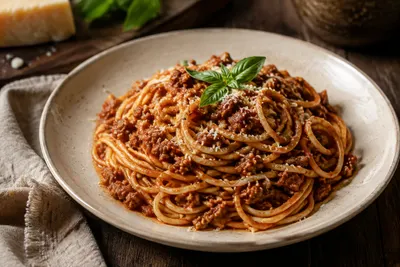
Sauce
Chunky Beef, Sausage and Mushroom Spaghetti Sauce
A hearty, chunky spaghetti sauce refined over more than 35 years, with ground beef, hot Italian sausage, mushrooms, Merlot and plenty of petite-diced tomatoes.